
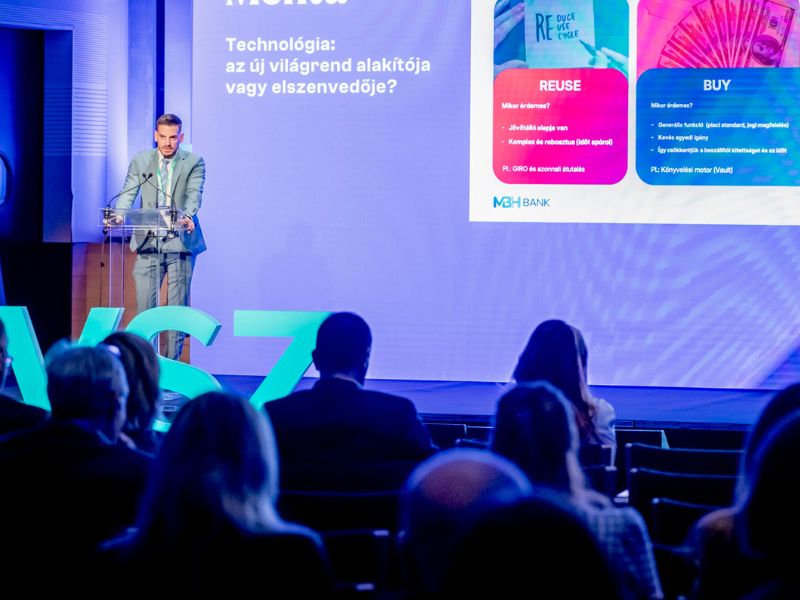
Organizing a successful conference is a highly complex system made up of many moving parts. When attendees feel that everything is “running like clockwork,” there are actually hundreds of well-timed decisions and precise processes coming together behind the scenes. As an event management agency, however, we often see the other side of the coin: the rushing, the forgotten technical details, and the strategic shortcomings.
These pitfalls most commonly arise when a company lacks a dedicated, experienced organizer, or when the internal team is expected to pull off such a large-scale event alongside their daily operational tasks. We’ve gathered the most common mistakes and their solutions.
1. Shortcomings in Project Management: Scheduling
Many make the mistake of treating the conference as a single massive task rather than a multi-month project. Without designated owners and set-in-stone deadlines, tasks start piling up. The chaos of parallel processes and last-minute, forced decisions not only inflate costs but also compromise quality.
The Solution: Using professional project management tools and establishing a detailed timeline with milestones and countdowns—shared with all partners—can significantly ease and optimize both planning and execution.
2. Delaying Marketing and Communication
Even the world’s best speakers will talk to an empty room if the target audience finds out about the event too late. A short registration window, erratic communication, or an outdated landing page all contribute to a poor guest experience and weak reach.
The Solution: A well-timed communication strategy and delivering the necessary assets (like the website, registration system, etc.) on schedule help generate buzz. Different ticket pricing strategies and partner discounts can expand your reach even further.
3. Lack of a Prepared Technical Team
Nothing ruins a conference’s professionalism faster than a screeching microphone, a lagging presentation, or Wi-Fi crashing from overload. If there is no prior coordination with speakers and the technical rehearsal is skipped, the event day can quickly turn into a firefighting drill for the organizers.
The Solution: Assessing every partner’s technical needs in detail beforehand and briefing the tech team in time can easily prevent these critical situations.
4. Poorly Structured Scheduling and Agenda
A packed schedule leaves no room for questions or a quick coffee, and a single delay can derail the entire program. On the flip side, if the schedule is too loose, attendees get bored, and the professional focus is lost.
The Solution: A structured script is essential, but it is equally important to build in enough breaks and buffer time for minor delays.
5. Missing Networking Opportunities
In a digital world, most content is available online. The real added value of conferences is face-to-face connection. If there are no dedicated spaces and time slots for conversation, attendees will leave disappointed.
The Solution: It’s crucial to intentionally design networking blocks into the program, such as themed tables or roundtable discussions.
6. Lack of Engaging and Diversifying Elements
A conference consisting solely of presentations quickly becomes monotonous. Without interactive elements, visual stimuli, or inspiring installations, the event won’t stick in people’s minds.
The Solution: Sponsor activations, live polls, or pop-up tastings all increase guest engagement and elevate the event’s prestige.
7. The Absence of Post-Event Follow-up
It is crucial to remember that the organizer’s job doesn’t end with the closing remarks. If you neglect nurturing relationships and collecting feedback, attendees will quickly forget the event—and its key takeaways—making them far less likely to become returning guests.
The Solution: A great approach is to set up an automated yet personal follow-up process that kicks off shortly after the event.
+1 One of the Biggest Mistakes: Fragmentation
The most common internal pitfall is fragmented organization. When numerous micro-tasks are scattered across the team, critical information gets lost in a jungle of parallel Excel spreadsheets and endless email chains.
The massive advantage of an agency is having a single, dedicated professional contact or project manager who syncs all subcontractors, tech partners, and decorators. This is the person who lifts the administrative burden off your company’s shoulders, allowing you to focus on what truly matters: your guests and the professional content.
As you can see, pulling off a conference is not just a logistical task—it is a complex ecosystem where success lies in the tiny details. An agency background provides a safety net and added value that takes your event to the next level, relieves the client of stress, and delivers cost-effective solutions (which you can read more about in our previous blog post).
